
 Bookmark
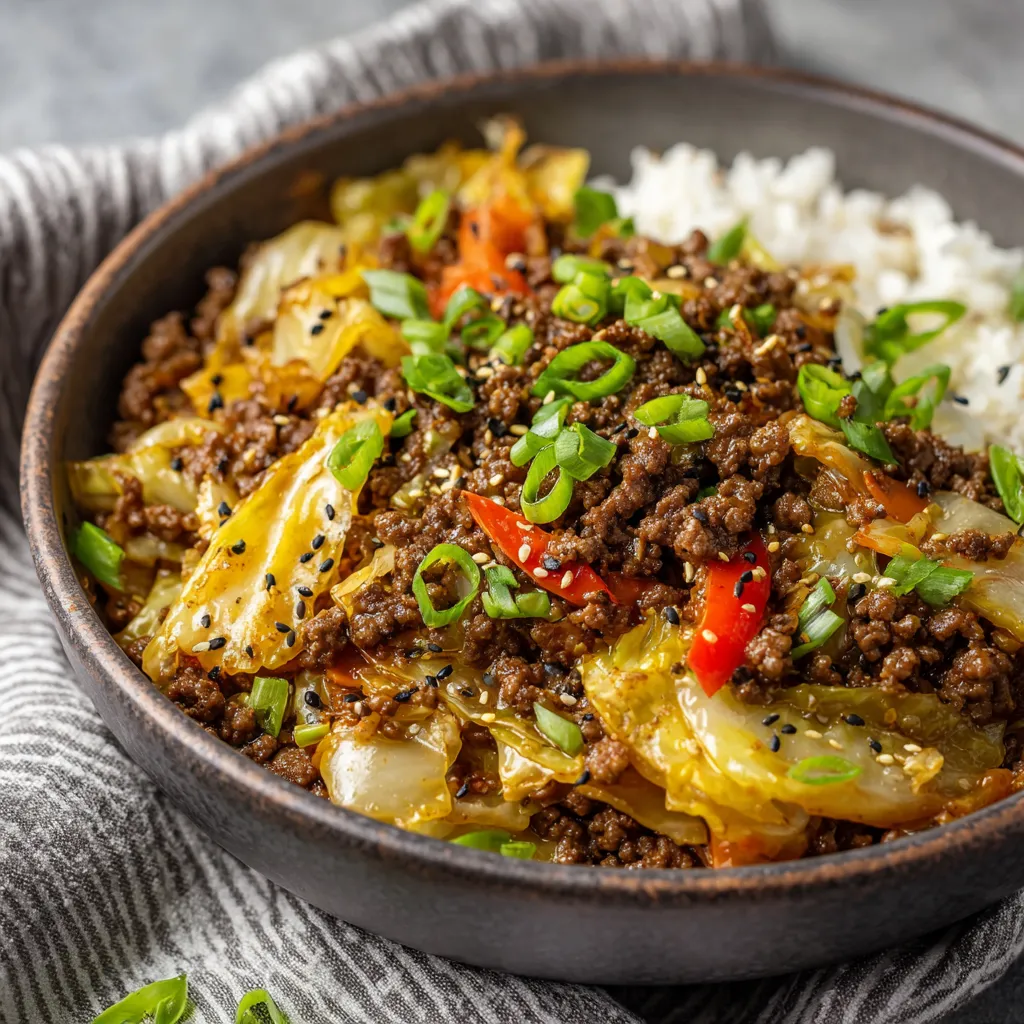
This low-carb Mongolian ground beef and cabbage dish has become my weeknight dinner hero when I need something satisfying yet light. The savory combination of beef and cabbage creates a perfect balance of flavors while keeping carbs in check.
This recipe saved me countless times when I needed a quick dinner solution. My husband initially doubted a cabbage dish could be so delicious until he tried this one. Now he requests it almost weekly.
Ingredients
- Ground beef Choose 85% lean for the best flavor without excess fat. The beef provides protein and richness to balance the vegetables.
- Cabbage Fresh green cabbage works best as it retains a slight crunch even when cooked. Look for firm heads with crisp leaves.
- Onion and garlic These aromatics create the foundation of flavor. Choose firm onions without soft spots.
- Soy sauce The umami powerhouse that gives this dish its Mongolian flavor profile. Use low sodium if watching salt intake.
- Sesame oil A small amount provides authentic Asian flavor. Always use toasted sesame oil for the best results.
- Rice vinegar Adds brightness and balances the savory elements. Rice vinegar is milder than other vinegars.
- Ground ginger Provides warmth and spice without overwhelming. Fresh ginger works too but requires more prep.
- Red pepper flakes Adds gentle heat that enhances other flavors. Adjust according to your spice preference.
- Green onions and sesame seeds These garnishes add freshness, color and texture contrast to the finished dish.
Step-by-Step Instructions
- Brown the Beef
- Heat your largest skillet over medium heat and add the ground beef. Break it apart with a wooden spoon as it cooks for about 5 minutes until no pink remains. Take time to drain excess fat to prevent a greasy final dish.
- Add Aromatics
- Add the diced onion and minced garlic directly to the cooked beef. Stir frequently for 2 3 minutes until they become fragrant and slightly translucent. Do not let the garlic burn or it will become bitter.
- Incorporate Cabbage
- Add the shredded cabbage to the skillet and toss with the beef mixture. The cabbage will initially seem voluminous but will cook down significantly. Sauté for about 5 minutes until it begins to soften but still retains some texture.
- Season and Finish
- Pour in the soy sauce, sesame oil, rice vinegar, and sprinkle in the ground ginger and red pepper flakes if using. Season with salt and pepper to taste, remembering that soy sauce adds saltiness. Mix thoroughly to coat all ingredients and cook for another 2 3 minutes until flavors meld and cabbage reaches desired tenderness.
- Garnish
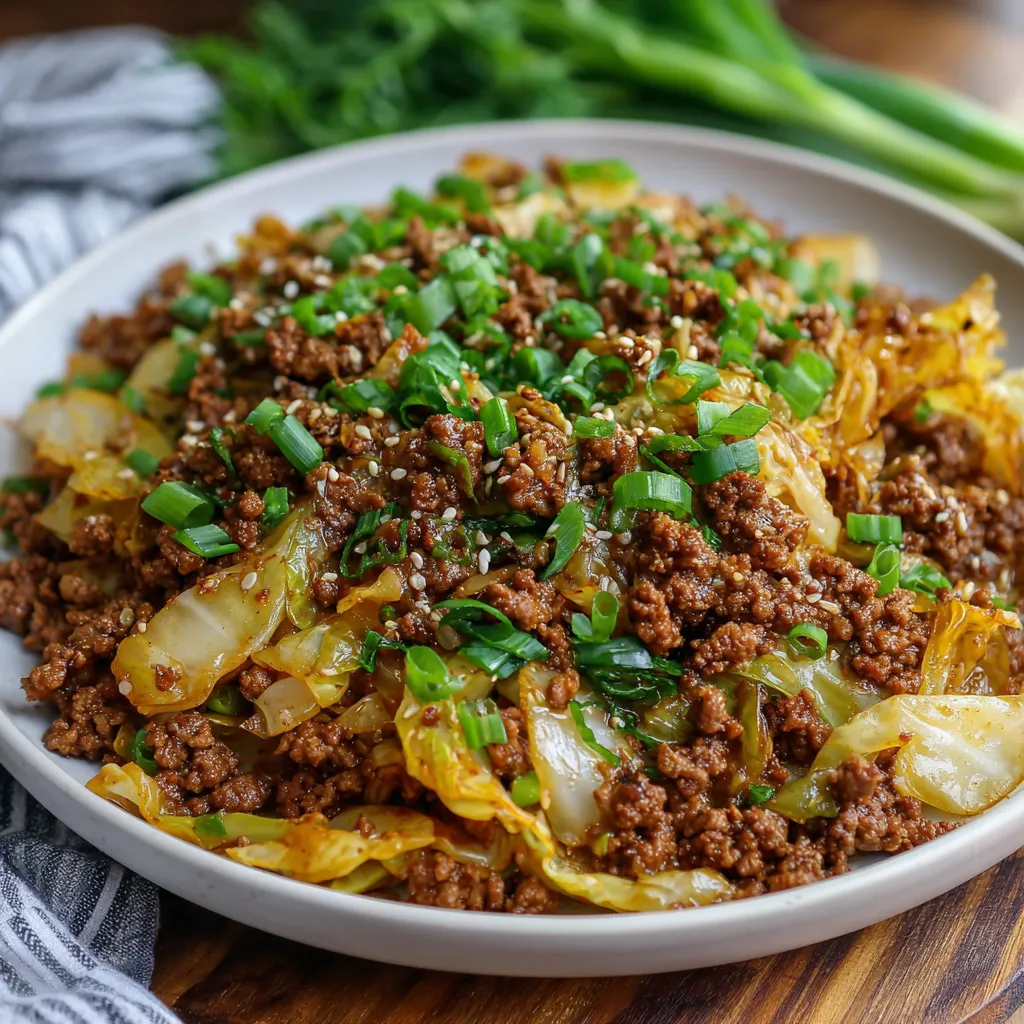
- Before serving, sprinkle with freshly sliced green onions and toasted sesame seeds. This final touch adds color, freshness and a pleasant texture contrast to each bite.
 Bookmark
The sesame oil is truly the secret ingredient in this recipe. I once tried to make it without when I ran out, and while still good, it lacked that authentic Asian restaurant quality. My family immediately noticed the difference and now I always keep a bottle of toasted sesame oil in my pantry specifically for this dish.
Make Ahead and Storage
This dish actually improves overnight as flavors meld together. Store leftovers in airtight containers in the refrigerator for up to 4 days. The cabbage will soften slightly more but maintains good texture. Reheat portions in the microwave for about 2 minutes or in a skillet over medium heat. I often make a double batch specifically for meal prep lunches throughout the week.
Easy Substitutions
If following a strict paleo or soy free diet, coconut aminos work perfectly in place of soy sauce. For extra vegetables, bell peppers or mushrooms can be added with the onions. Ground turkey or chicken can replace beef for a lighter option though I recommend adding an extra tablespoon of oil to compensate for the reduced fat. For a spicier version, add sriracha or chili garlic sauce to taste.
Serving Suggestions
While perfect on its own for a complete low carb meal, this dish pairs beautifully with cauliflower rice for those wanting something more substantial. For family members not following low carb diets, serve alongside regular steamed rice or in lettuce cups for a fun handheld option. A simple side of cucumber salad with rice vinegar makes a refreshing accompaniment that balances the rich savory flavors.
Recipe Q&A
- → Can I substitute the ground beef with another protein?
Yes, this versatile dish works well with ground turkey, chicken, or pork as alternatives to beef. For a vegetarian version, you could use crumbled firm tofu or tempeh - just be sure to add a bit more oil when cooking as these proteins contain less fat than ground beef.
- → How can I make this dish spicier?
To increase the heat level, you can add more red pepper flakes, include fresh sliced chilies, or add a tablespoon of chili garlic sauce or sriracha to the sauce mixture. Adjust according to your spice preference.
- → What side dishes pair well with this Mongolian beef and cabbage?
While this dish is complete on its own, you might serve it with cauliflower rice to keep it low-carb, or alongside a simple cucumber salad dressed with rice vinegar. For those not following a low-carb diet, steamed rice makes an excellent accompaniment.
- → How long will leftovers keep in the refrigerator?
Stored in an airtight container, leftovers will keep well for 3-4 days in the refrigerator. The flavors often deepen overnight, making this an excellent make-ahead dish for meal prep.
- → Can I freeze this Mongolian beef and cabbage dish?
Yes, you can freeze portions in airtight containers for up to 2-3 months. The texture of the cabbage may soften slightly after thawing, but the flavor remains excellent. Thaw overnight in the refrigerator and reheat thoroughly in a skillet or microwave.
- → Is there a way to make this dish even lower in carbs?
To further reduce the carb content, you can use less onion or substitute with additional green onions. Also ensure your soy sauce doesn't contain added sugars, or use coconut aminos which tends to be lower in carbs than some soy sauce brands.