
 Bookmark
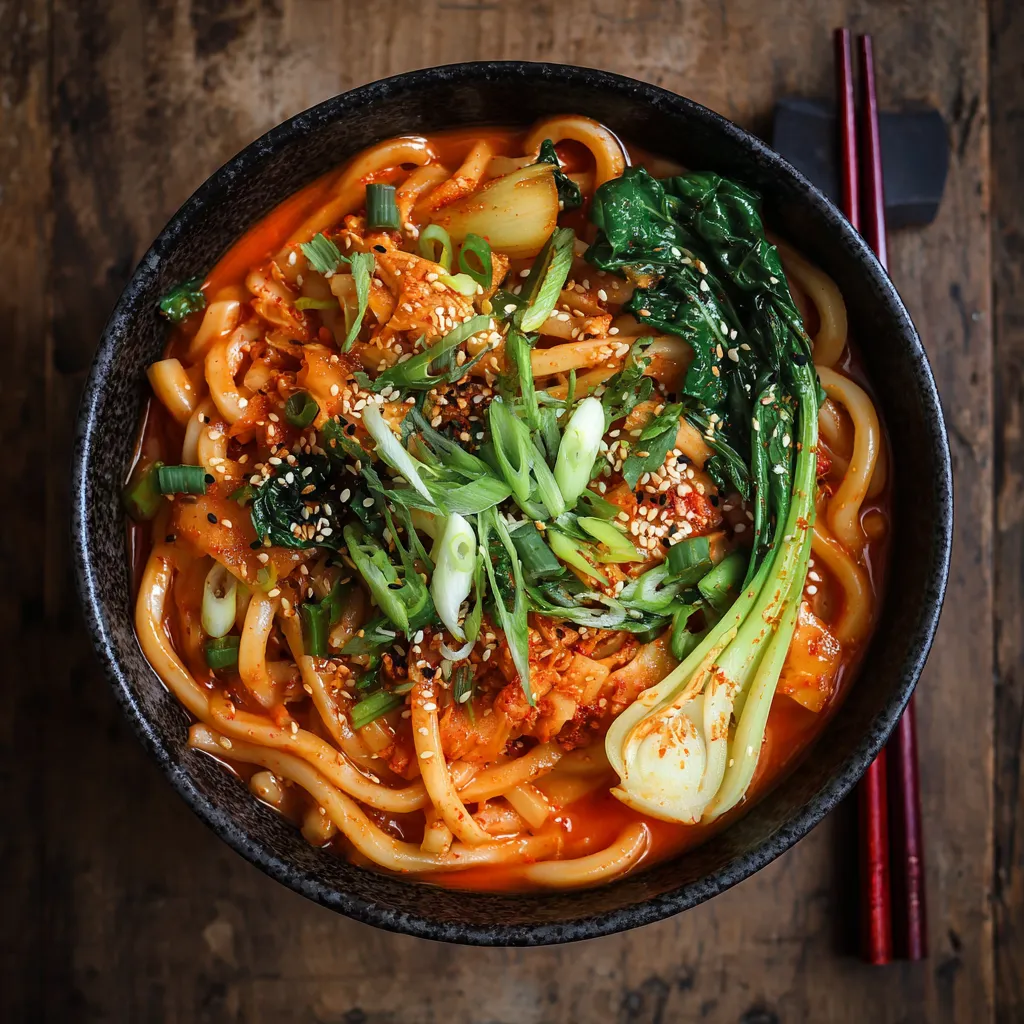
This creamy gochujang udon noodles recipe combines Korean and Italian flavors for a luxurious comfort dish that comes together in just 15 minutes. The silky sauce clings perfectly to the chewy udon noodles, creating a harmonious balance of spicy, savory, and rich flavors that will leave you craving more.
I discovered this fusion dish during a particularly cold winter evening when I needed something warming but didn't want to wait hours for a traditional stew. Since then, it's become my go-to recipe when I want something impressive without spending hours in the kitchen.
Ingredients
- Frozen udon noodles their chewy texture holds up perfectly to the creamy sauce and they cook in minutes
- Butter creates a rich base for the sauce and adds a subtle nutty flavor
- Garlic and shallots provide aromatic foundation that enhances the overall flavor profile
- Gochujang Korean chili paste that brings sweet, savory and spicy elements all in one ingredient
- Heavy cream balances the heat from the gochujang while creating a silky texture
- Reserved noodle water contains starches that help thicken the sauce and make it cling to the noodles
- Soy sauce adds umami depth and helps season the dish perfectly
- Gochugaru Korean chili flakes that add vibrant color and additional heat dimension
- Green onions add freshness and a pop of color as garnish
- Parmesan cheese introduces a savory saltiness that complements the Korean flavors surprisingly well
- Egg yolk optional but highly recommended for added richness and creaminess when stirred in
Step-by-Step Instructions
- Prepare the udon noodles
- Cook frozen udon according to package instructions, being careful not to overcook as they should remain chewy. Reserve half a cup of that starchy cooking water before draining the noodles. Rinse under cold water to stop the cooking process and prevent sticking.
- Create the aromatic base
- Melt butter in a pan over medium heat until it begins to foam slightly. Add the minced garlic and chopped shallots, sautéing until they become translucent and fragrant but not browned, about 2 minutes. This aromatic foundation is crucial for developing deep flavor.
- Develop the gochujang flavor
- Add the gochujang paste to the aromatics and cook for about 30 seconds, stirring constantly. This brief cooking time allows the paste to bloom and release its complex flavors while caramelizing slightly for added depth.
- Build the creamy sauce
- Pour in the heavy cream gradually while stirring to create a smooth consistency. Add the reserved noodle water which contains starches that will help thicken your sauce. Incorporate soy sauce and gochugaru, stirring continuously. Allow the sauce to simmer gently for 2 to 3 minutes until it thickens enough to coat the back of a spoon.
- Combine noodles and sauce
- Add the cooked udon noodles to the pan, tossing gently but thoroughly to ensure each noodle is generously coated with the creamy gochujang sauce. The starch from the noodles will further thicken the sauce as you toss.
- Garnish and serve
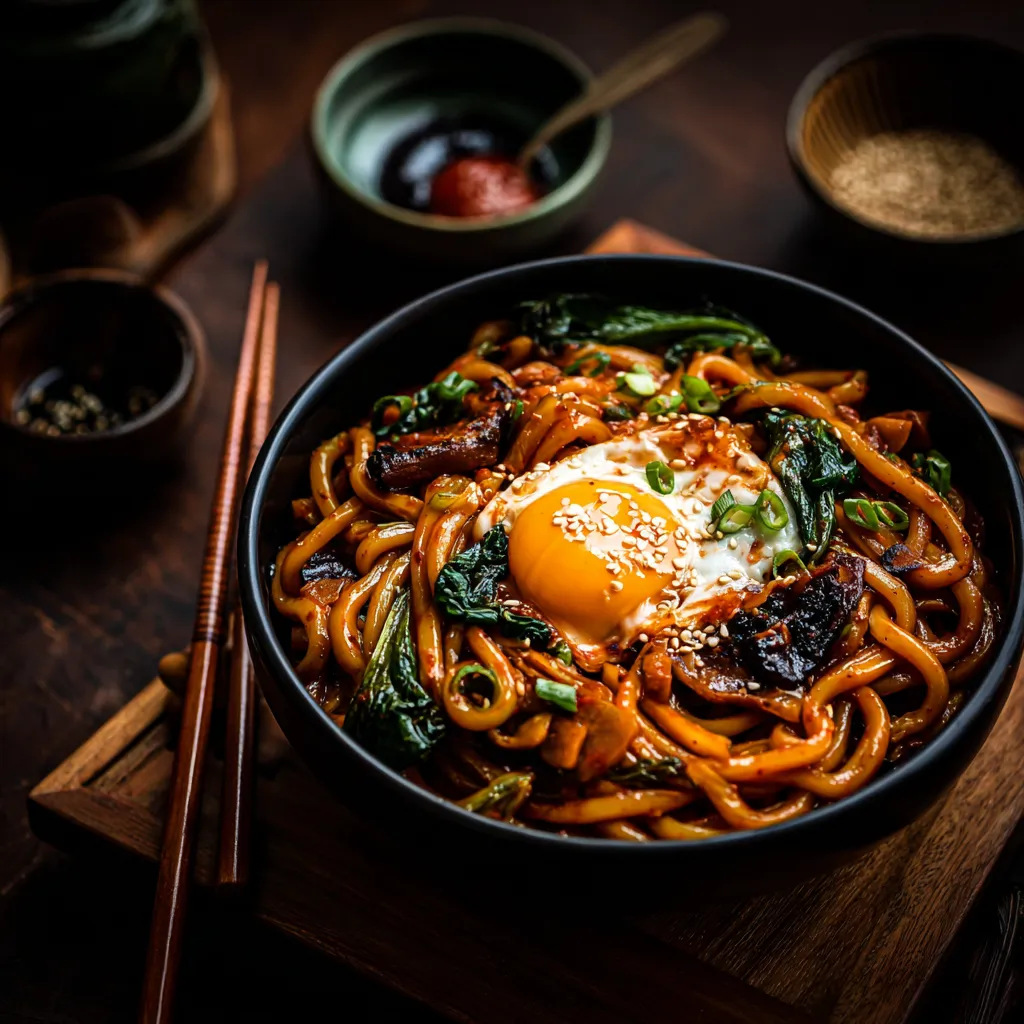
- Transfer the sauced noodles to serving bowls. Top with freshly grated parmesan cheese, sprinkle with chopped green onions, and if using, place an egg yolk in the center. The residual heat will slightly warm the yolk while keeping it runny, ready to be stirred in for added richness.
 Bookmark
The gochujang is truly the star ingredient in this dish. I discovered its versatility years ago when experimenting with Korean cooking, and now I always keep a tub in my refrigerator. Its complex sweet, savory, and spicy profile transforms even the simplest dishes into something special, and in this creamy sauce, it creates magic.
Ingredient Substitutions
If you cannot find frozen udon noodles, refrigerated ones work beautifully too. Dried udon can be used but lacks the same chewy texture that makes this dish special. In a pinch, thick spaghetti or linguine can substitute though the texture will be different.
For a lighter version, you can replace half the heavy cream with whole milk, though the sauce won't be quite as rich. Vegetable or chicken broth can replace some of the noodle water for added flavor complexity.
Vegetarians can increase the umami factor by adding a teaspoon of miso paste along with the gochujang. If you cannot find gochujang, use a tablespoon of tomato paste mixed with a teaspoon of chili paste or sriracha, though the flavor profile will be slightly different.
Storage and Reheating
This dish is best enjoyed immediately after preparation when the noodles maintain their ideal chewy texture and the sauce is perfectly silky. However, leftovers can be stored in an airtight container in the refrigerator for up to two days.
When reheating, add a splash of milk or cream to revitalize the sauce, as it tends to thicken considerably when cold. Gently warm over medium-low heat, stirring frequently to prevent the sauce from breaking. Avoid microwave reheating if possible, as it can make the noodles rubbery and cause the sauce to separate.
Protein Additions
This versatile dish welcomes protein additions that can transform it into an even heartier meal. Thinly sliced chicken breast or thighs marinated briefly in soy sauce and ginger create a delicious complement to the spicy cream sauce.
For seafood lovers, shrimp sautéed in butter with a touch of garlic makes an excellent addition. Simply cook them separately and add them on top of the finished dish to maintain their delicate texture and flavor.
For a vegetarian protein boost, pan-fried tofu cubes or thinly sliced mushrooms sautéed until golden add wonderful texture and absorb the flavorful sauce beautifully.
Recipe Q&A
- → What is gochujang and where can I find it?
Gochujang is a Korean fermented red chili paste that adds spicy, sweet, and umami flavors. You can find it in Asian grocery stores, international aisles of many supermarkets, or online retailers. It comes in tubs or squeeze bottles and will last for months in your refrigerator after opening.
- → Can I make this dish less spicy?
Yes! You can adjust the spice level by reducing the amount of gochujang and gochugaru (Korean chili flakes). Start with half the recommended amounts and add more to taste. You can also increase the amount of cream to mellow out the heat while maintaining the flavor profile.
- → What can I substitute for heavy cream?
If you want a lighter version, you can substitute half-and-half or whole milk, though the sauce won't be as rich. For dairy-free options, full-fat coconut milk or cashew cream work well. Just note that coconut milk will add a slight coconut flavor to the dish.
- → What proteins would pair well with these noodles?
These noodles pair beautifully with pan-seared shrimp, chicken, thinly sliced beef, or tofu for a vegetarian option. You could also add a soft-boiled egg on top. Simply cook your protein separately with similar seasonings and add it to the finished noodles.
- → Can I use different noodles if I can't find udon?
Absolutely! While udon's chewy texture works perfectly with this sauce, you can substitute thick rice noodles, fresh ramen noodles, or even linguine or fettuccine pasta. The key is to use a noodle substantial enough to hold up to the rich sauce.
- → How do I store and reheat leftovers?
Store leftovers in an airtight container in the refrigerator for up to 3 days. When reheating, add a splash of water or cream as the noodles will absorb sauce while storing. Reheat gently on the stovetop over medium-low heat, stirring frequently to prevent sticking and burning.