
 Bookmark
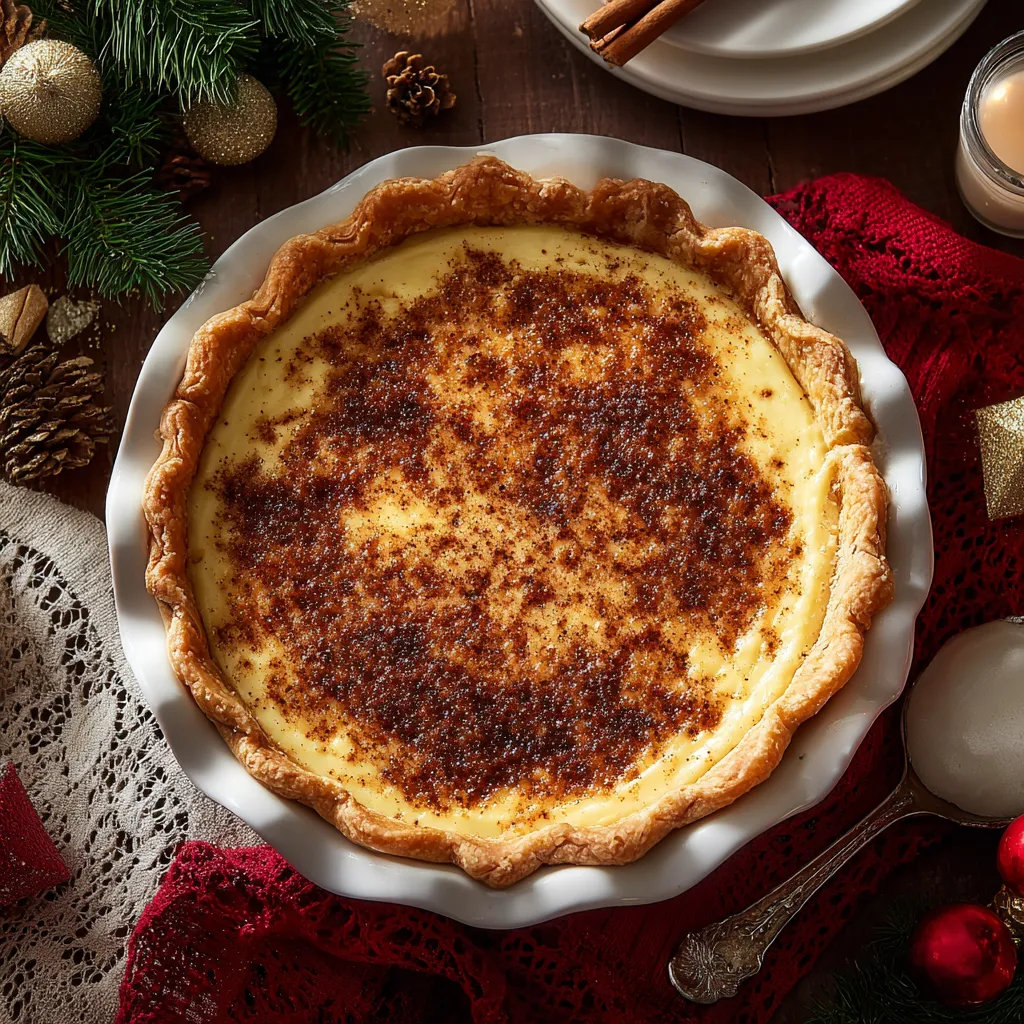
This silky Christmas Eve Cinnamon-Vanilla Custard Pie has become the signature finale to our holiday celebrations, combining the nostalgic warmth of cinnamon with luxurious vanilla-infused custard. The contrast between the flaky crust and velvety filling creates that perfect festive dessert moment when conversation pauses and everyone savors each creamy bite.
I first created this pie when looking for something special yet achievable for our Christmas Eve dinner five years ago. What began as an experiment has now become the dessert my family specifically requests by early December, sometimes even before they ask about the main course.
Ingredients
- Pie crust choose homemade for the best flavor but quality store-bought works beautifully in a time crunch
- Eggs provide the custard structure use farm-fresh for that gorgeous golden color
- Whole milk and heavy cream create that perfect silky mouthfeel without becoming too rich
- Ground cinnamon infuses the custard with warm holiday flavor use Ceylon cinnamon for a more complex taste
- Pure vanilla extract elevates the entire pie splurge on good quality or use a real vanilla bean for special occasions
- Granulated sugar perfectly balanced sweetness that lets other flavors shine
- Pinch of salt essential for enhancing all the flavors never skip this
- Optional nutmeg and orange zest add that special holiday complexity that makes guests wonder about your secret ingredient
Step-by-Step Instructions
- Pre-bake the Crust
- Start with your oven at 375°F for proper browning. The key here is preventing a soggy bottom by thoroughly pre-baking your crust. When lining with parchment, make sure it extends up the sides to hold your weights properly. The extra 5-minute bake after removing weights ensures the bottom crust is properly set and lightly golden.
- Prepare Custard Base
- Heat your dairy mixture slowly over medium-low heat to prevent scorching. Watch for tiny bubbles around the edges and steam rising from the surface but never let it reach a full boil. If using whole spices like cinnamon sticks or vanilla beans, press them against the side of the pan occasionally to release more flavor during steeping.
- Whisk Eggs & Sugar
- Whisk vigorously for at least 2 minutes until the mixture becomes noticeably lighter in color. This introduces tiny air bubbles that help create that perfect custard texture. The sugar should be completely dissolved with no gritty feeling if you rub a small amount between your fingers.
- Temper & Combine
- This critical step prevents scrambled eggs in your custard. Pour the hot liquid in a thin, steady stream while whisking continuously. I recommend having your bowl on a damp kitchen towel to prevent sliding while you whisk. Straining is technically optional but removes any tiny egg bits and ensures absolute silkiness.
- Fill & Bake
- The lower baking temperature creates gentle, even heat that prevents curdling. The perfect doneness test is when you gently shake the pie and see a 2-3 inch wobbly center while the edges are set. Remember that residual heat continues cooking the custard even after removal from the oven.
- Cool & Chill
- Cooling gradually prevents the dreaded custard crack. I let mine sit at room temperature for one hour before refrigerating. The full chilling time allows flavors to develop and the texture to set perfectly.
 Bookmark
The cinnamon is truly the heart of this recipe. I discovered its importance when I once substituted a standard grocery store variety with freshly ground Ceylon cinnamon from a specialty shop. The difference was remarkable with delicate floral notes that elevated the entire dessert from good to unforgettable. Now I consider quality cinnamon an essential investment for holiday baking.
Perfect Accompaniments
This custard pie pairs beautifully with complementary flavors that enhance without overwhelming. A dollop of lightly whipped cream with just a whisper of bourbon folded in creates a magical combination. For a more dramatic presentation, try a quick cranberry compote spooned over individual slices, adding a bright, tart contrast to the creamy custard.
Make-Ahead and Storage Tips
The beauty of this custard pie is how well it holds up in the refrigerator. In fact, the flavors actually develop and improve after 24 hours of chilling. Store covered with plastic wrap but wait until the pie has fully cooled to prevent condensation from forming on the surface. The pie will keep beautifully for up to four days, though the crust may soften slightly over time.
Holiday Flavor Variations
While the classic cinnamon-vanilla version is my family's favorite, this versatile custard base welcomes seasonal adaptations. For a more complex spice profile, add a quarter teaspoon each of ground ginger and cardamom. During fall, I sometimes replace a quarter cup of the granulated sugar with real maple syrup and add an extra egg yolk to maintain the perfect texture. For a festive touch, consider a tablespoon of orange liqueur or rum in the custard.
Recipe Q&A
- → How do I know when the custard pie is properly baked?
The pie is done when the edges are set but the center still has a slight wobble (similar to set Jell-O). The custard will continue firming up as it cools. If the center is completely firm while baking, it may overcook and crack. Remember that visual cues are more reliable than exact timing.
- → Can I make this pie ahead of time?
Absolutely! This custard pie actually benefits from chilling overnight, allowing flavors to develop and the filling to set properly. You can prepare it up to 2 days in advance and keep refrigerated until serving time.
- → What's the best way to prevent a soggy pie crust?
Pre-baking (blind baking) the crust is essential. Make sure to dock the crust with a fork before baking, use pie weights to prevent bubbling, and bake until lightly golden. A thin layer of egg wash brushed on the pre-baked crust creates a moisture barrier between the custard and crust.
- → How should I serve this custard pie?
Serve chilled slices as is for a clean, elegant dessert, or dress them up with a light dusting of cinnamon, a dollop of whipped cream, or a sprinkle of crushed candy canes for extra holiday flair. Small mint leaves or sugared cranberries make beautiful garnishes.
- → Why is my custard pie cracking on top?
Cracks usually indicate overcooked custard or baking at too high a temperature. Ensure your oven temperature is accurate, bake at a low 325°F, and remove the pie when the center still has a slight jiggle. Also, avoid placing the hot pie in a cold environment which can cause rapid contraction and cracking.
- → Can I use alternative milk options for this custard?
While traditional custard relies on dairy fat for its silky texture, you can substitute full-fat coconut milk for the heavy cream. For the whole milk, almond or oat milk can work, though the custard may be slightly less rich. Avoid fat-free alternatives as they won't set properly.