
 Bookmark
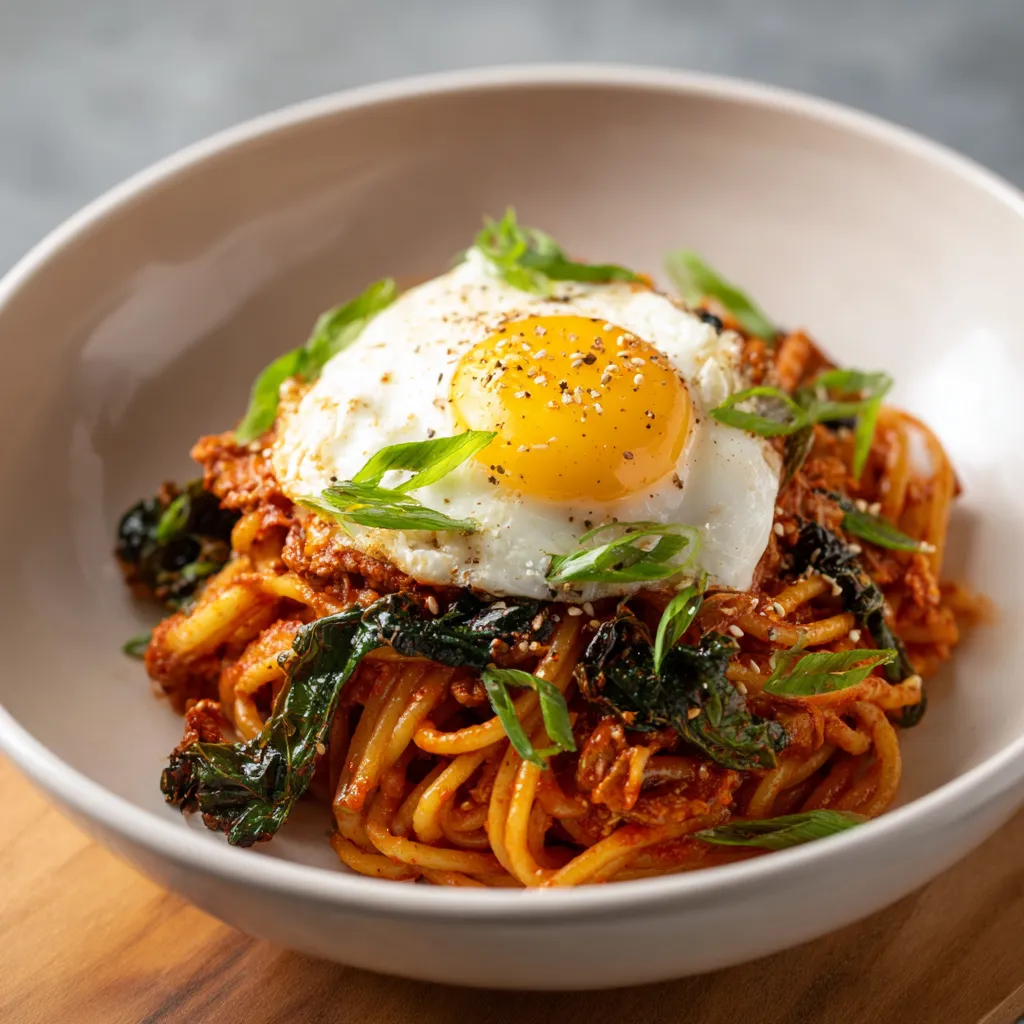
This gochujang pasta recipe transforms ordinary pasta into a spicy-creamy dream dinner. I discovered this Korean-inspired dish during a cooking rut and it's become my go-to for impressing dinner guests without hours in the kitchen. The perfect balance of heat, creaminess, and umami flavors creates a restaurant-quality meal with minimal effort.
I first made this during a particularly hectic week when I needed something quick but impressive for unexpected guests. Now it's requested regularly by friends who can't believe something this flavorful comes together so quickly.
Ingredients
- 8 oz dry Fusilli Corti Bucati Pasta but any pasta shape works beautifully
- 2 tablespoons Gochujang Korean red pepper paste brings the perfect balance of sweet heat and umami
- 3 cloves garlic minced for aromatic depth
- 4 tablespoons salted butter creates a rich base for the sauce
- 2 tablespoons olive oil helps prevent the butter from burning
- ½ cup shredded parmesan or cheddar cheese adds creaminess and saltiness
- ½ cup heavy cream creates that luxurious mouthfeel
- ½ teaspoon freshly ground black pepper optional but adds nice complexity
- 2 teaspoon chopped parsley optional for freshness and color
Step-by-Step Instructions
- Boil The Pasta
- Bring water to a rolling boil in a large pot. Salt the water generously to flavor the pasta from within. Add pasta and cook according to package instructions until al dente usually 7-12 minutes. Remember to reserve about ¼ cup of pasta water before draining in case you need to adjust sauce consistency later.
- Prepare The Flavor Base
- In a large sauté pan melt the butter with olive oil over medium heat. Once the butter is melted but not browned add the minced garlic and optional black pepper. Cook gently for 30-60 seconds stirring constantly until the garlic becomes fragrant but not brown. This step is crucial for developing flavor without burning the garlic which would give a bitter taste.
- Create The Gochujang Cream Sauce
- Add the gochujang paste to the garlic butter mixture and stir to incorporate. The paste will begin to bloom in the hot fat releasing its complex flavors. Pour in the heavy cream while continuing to stir allowing everything to combine. Add the shredded cheese gradually while stirring to ensure it melts evenly without clumping. Let the sauce simmer gently for 1-2 minutes until it thickens slightly but remains pourable.
- Combine And Finish
- Add the drained pasta directly to the sauce pan. Using tongs or a pasta spoon toss thoroughly to coat every strand with the vibrant sauce. If the sauce seems too thick add a splash of the reserved pasta water to reach your desired consistency. The starch in the water helps the sauce cling to the pasta. Continue to toss over low heat for about 30 seconds to allow the pasta to absorb some of the sauce.
- Plate And Garnish
- Transfer the pasta to serving plates or bowls working quickly while it's hot. Sprinkle with fresh chopped parsley for a pop of color and freshness. For an extra touch add a final grating of parmesan or a few cracks of black pepper.
 Bookmark
Gochujang is the true star of this dish. The first time I used this Korean chili paste in a nontraditional application my family was skeptical but now we keep multiple varieties in our refrigerator. Its complex sweetness paired with moderate heat creates a depth that simple red pepper flakes could never achieve.
Protein Pairings
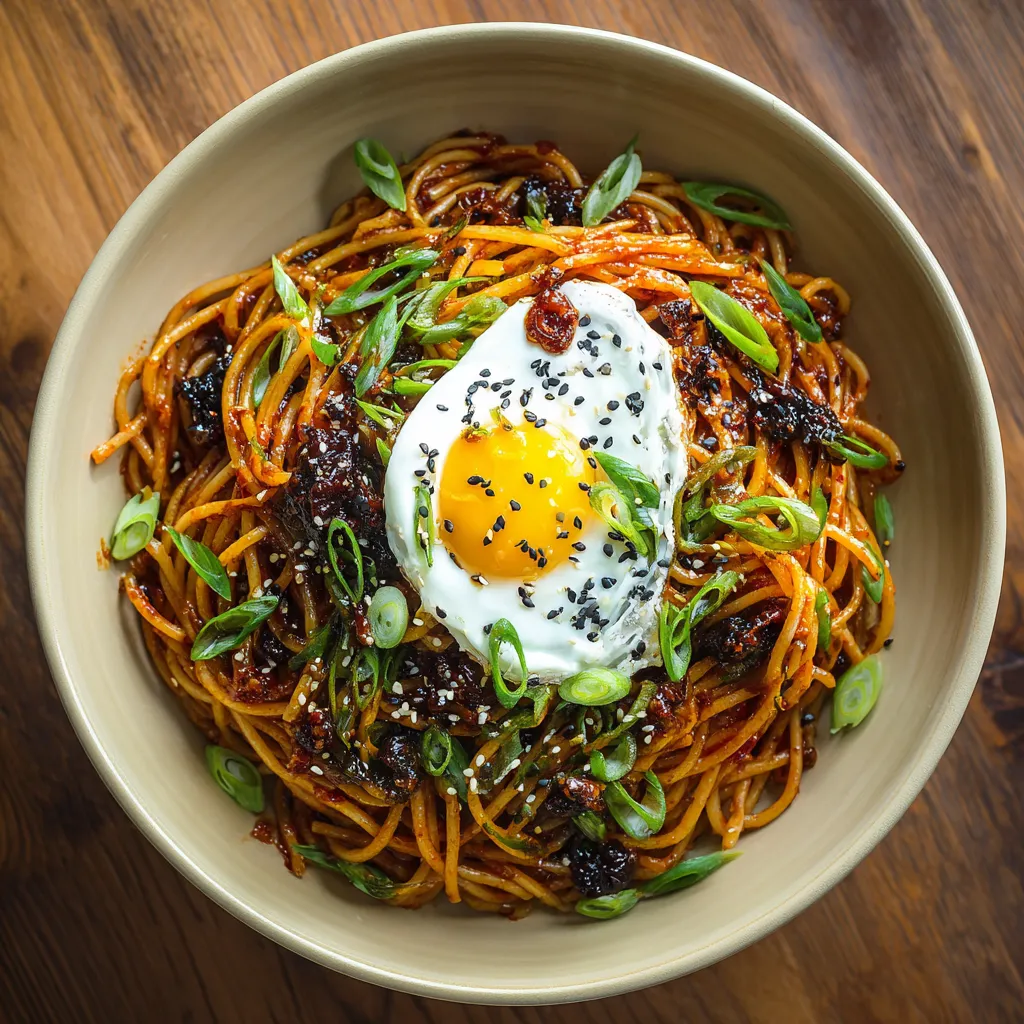
Gochujang pasta makes an excellent backdrop for protein additions. For an extra special dinner I like to add seared scallops which cook in just minutes. The sweetness of the scallops beautifully complements the spicy sauce. Chicken thighs marinated in a bit of soy sauce and honey also work wonderfully. For vegetarian options crispy tofu adds wonderful texture contrast or simply top with a fried egg with a runny yolk that creates an even richer sauce when broken.
Make It Your Own
This recipe welcomes customization based on what you have on hand. No heavy cream? Use half and half or even full fat yogurt mixed with a splash of milk. The gochujang paste can be found in most supermarkets now but if you cannot find it substitute with 1 tablespoon tomato paste mixed with 2 teaspoons sriracha and 1 teaspoon honey. For a lighter version replace half the cream with unsweetened coconut milk which adds a subtle tropical note that works surprisingly well with the Korean flavors.
Perfect Pairings
The bold flavors of this pasta call for simple accompaniments. A crisp cucumber salad with rice vinegar provides refreshing contrast to the rich pasta. Quick pickled vegetables like thinly sliced radishes or carrots add brightness and crunch. For drinks consider an off dry Riesling which stands up beautifully to the spice or a crisp lager beer. If going nonalcoholic a simple sparkling water with a squeeze of lime helps cleanse the palate between bites.
Cultural Context
This fusion dish beautifully bridges Italian pasta traditions with Korean flavors. Gochujang has been used in Korean cooking for centuries offering a fermented depth that cannot be replicated. While purists might raise eyebrows at this cultural mashup the combination makes perfect culinary sense. The pasta provides an ideal canvas for the complex sauce much like how rice serves traditional Korean dishes. This recipe represents the best of modern home cooking taking inspiration from global cuisines to create something accessible yet exciting.
Recipe Q&A
- → Can I adjust the spiciness of gochujang pasta?
Yes! Control the heat level by adjusting the amount of gochujang paste. Start with 1 tablespoon for mild flavor and increase up to 3 tablespoons for a spicier kick. You can also balance heat by adding more cream or cheese to mellow the spice.
- → Where can I find gochujang paste?
Gochujang paste is available in the international or Asian food section of most grocery stores. It's also readily found in Asian markets and online retailers. Look for it in a red plastic container or squeeze bottle labeled as Korean chili paste.
- → What can I substitute for heavy cream?
For a lighter version, substitute half-and-half or whole milk (though the sauce will be thinner). For dairy-free options, use full-fat coconut milk or cashew cream, which both provide similar richness. Just note that plant-based alternatives will slightly alter the flavor profile.
- → What proteins pair well with gochujang pasta?
This versatile pasta pairs beautifully with grilled chicken, sautéed shrimp, crispy tofu, or thinly sliced beef. For a Korean-inspired twist, try it with bulgogi (marinated beef) or spicy pork. For a seafood variation, stir in some pan-seared scallops or crab meat.
- → How can I make gochujang pasta more authentic?
To create a more authentic Korean fusion dish, add julienned vegetables like carrots and cucumbers, top with a fried egg, or incorporate kimchi into the sauce. Garnish with toasted sesame seeds, green onions, and a drizzle of sesame oil for traditional Korean flavor notes.
- → Can I make this dish ahead of time?
While best enjoyed fresh, you can prepare the sauce ahead of time and refrigerate for up to 3 days. When ready to serve, gently reheat the sauce, adding a splash of cream if needed to restore creaminess, then toss with freshly cooked pasta for optimal texture and flavor.