
 Bookmark
This spicy gochujang egg recipe transforms ordinary eggs into a Korean-inspired flavor bomb that will wake up your taste buds and elevate your breakfast routine. The combination of creamy eggs with the sweet, spicy, and umami-rich sauce creates a dish that's both comforting and exciting.
I first discovered this recipe during a culinary exploration of Korean flavors and it quickly became my weekend breakfast staple. The vibrant red sauce coating the eggs makes even a sleepy Sunday morning feel special.
Ingredients
- Large eggs choose farm fresh eggs with bright orange yolks for best flavor and nutrition
- Gochujang this Korean chili paste provides the perfect balance of sweet heat and umami depth
- Soy sauce adds saltiness and complexity to the sauce
- Sugar balances the heat with necessary sweetness
- Rice vinegar provides acidity that cuts through the richness of the eggs
- Chicken stock creates the perfect consistency while adding depth of flavor
- Neutral oil allows the aromatics to bloom without competing flavors
- Garlic cloves fresh minced garlic creates an aromatic foundation
- Scallions add a fresh pop of color and mild onion flavor to finish the dish
- Toasted sesame seeds contribute nutty flavor and pleasant textural contrast
Step-by-Step Instructions
- Boil the Eggs
- The key to perfect eggs is precise timing. Bring water to a rolling boil first, then gently lower room temperature eggs with a slotted spoon. Cover and set your timer for exactly 7 minutes for jammy yolks or 9 minutes for fully set centers.
- Ice Bath
- This crucial step stops the cooking process immediately. Fill a bowl with ice and cold water before your eggs are done cooking. Transfer eggs directly from boiling water to ice bath for at least 3 minutes. The temperature shock also makes peeling significantly easier.
- Prepare Sauce
- Take care to mix the gochujang thoroughly with the liquid ingredients until completely smooth. The paste can be thick and stubborn to incorporate. A small whisk works perfectly for this task. Taste and adjust sweetness or spice as desired.
- Cook Sauce
- Watch the garlic carefully as it cooks very quickly. The moment you smell its fragrance wafting up from the pan is your signal to add the sauce mixture. Allow the sauce to gently bubble and reduce slightly which concentrates the flavors and creates a glossy consistency.
- Combine Eggs and Sauce
- Roll the eggs gently in the simmering sauce to ensure even coating on all sides. The sauce should cling to the eggs while still maintaining some liquid in the pan for serving. The longer they sit in the warm sauce the more flavor they absorb.
- Serve
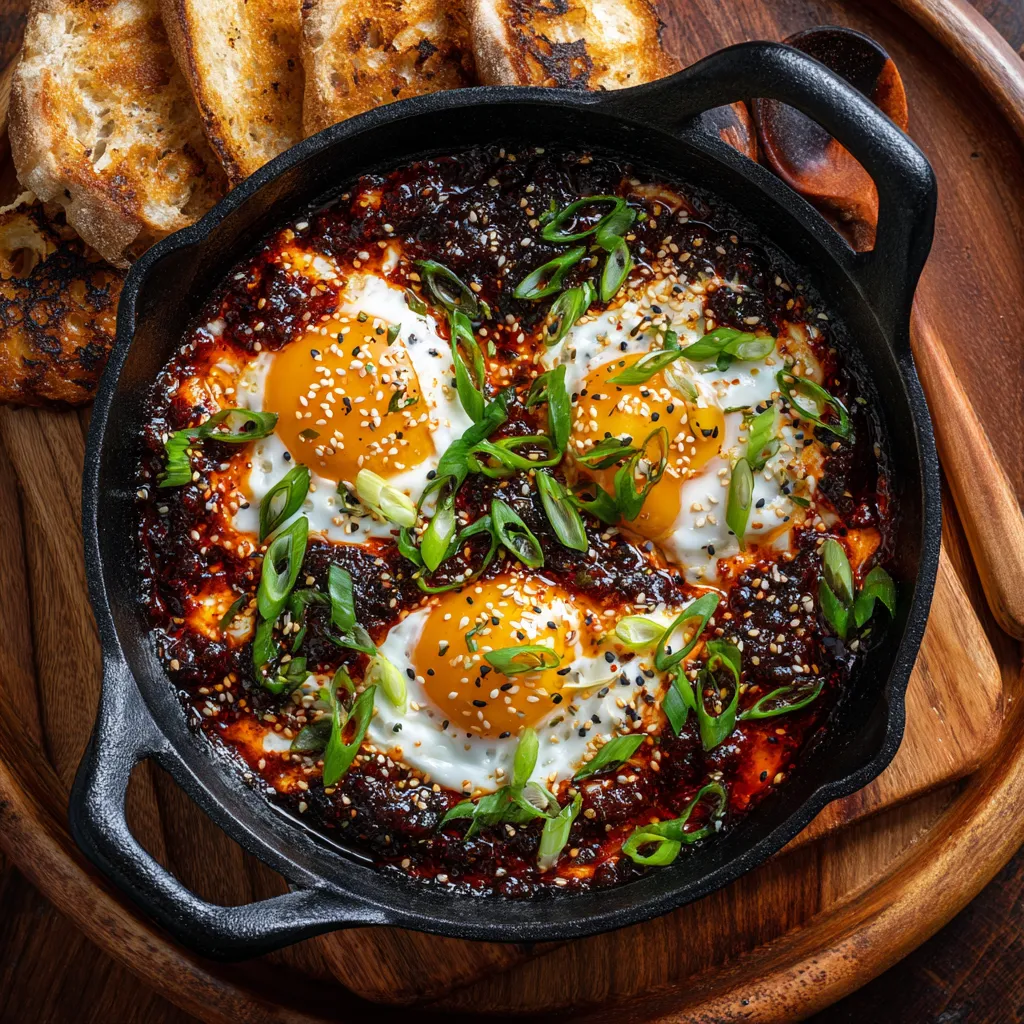
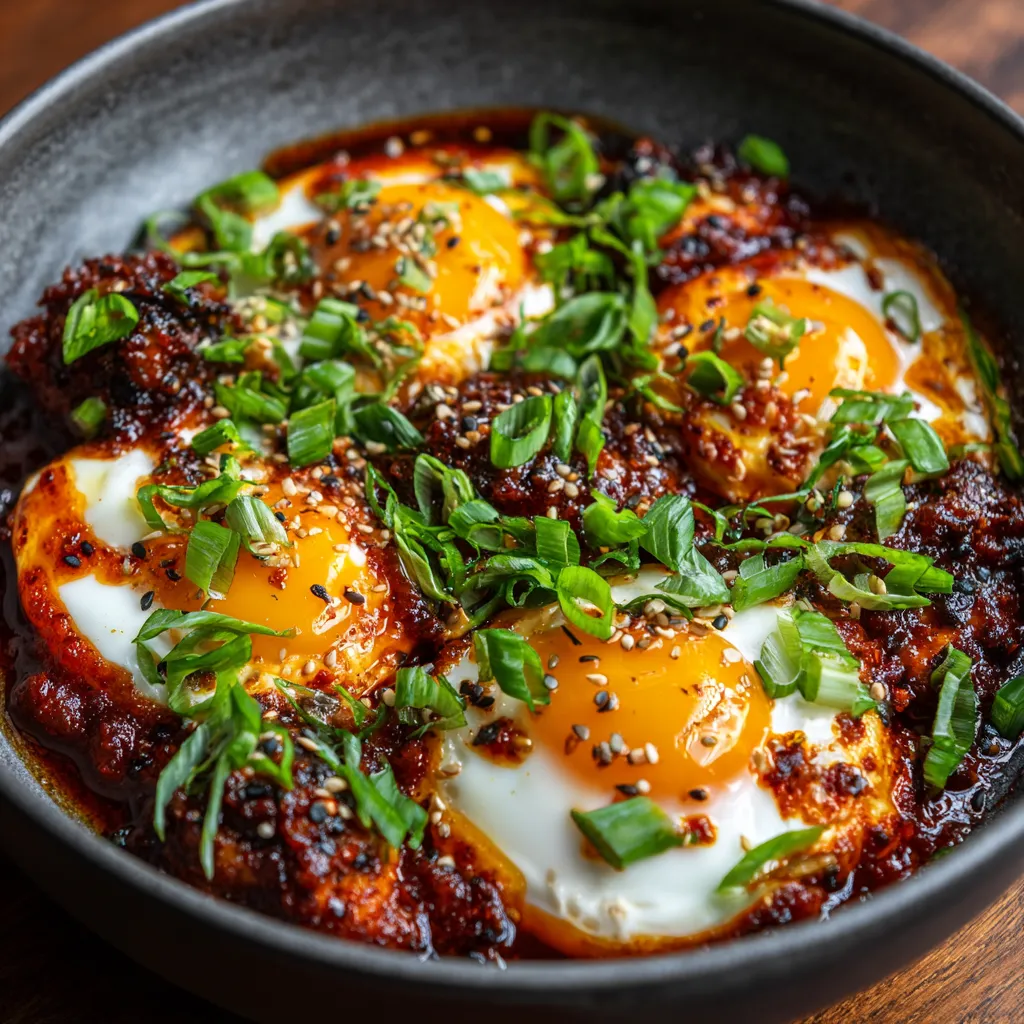
- Present your creation over warm rice that will soak up the flavorful sauce. The vibrant red eggs make for a stunning presentation especially when garnished with the bright green scallions and tiny beige sesame seeds.
 Bookmark
Gochujang is the heart of this recipe. I always keep a tub in my refrigerator as its complex flavor profile transforms ordinary dishes into something special. The first time I served these eggs to my family, my spice-cautious husband was skeptical but ended up requesting them weekly.
Make Ahead and Storage
These eggs actually improve with time as they continue to absorb the flavorful sauce. You can prepare them up to two days ahead and store in an airtight container in the refrigerator. The sauce will thicken when chilled but will loosen when gently reheated. I often make a double batch on Sunday for quick protein-packed breakfasts throughout the week.
Heat Level Customization
Gochujang comes in various heat levels indicated by numbers on the container. For newcomers to Korean cuisine, start with a milder version marked level 1 or 2. If you love spicy food, look for level 5. You can also adjust heat by reducing the amount of gochujang and replacing it with a bit more stock. Remember that the spiciness will mellow slightly when mixed with rice.
Serving Variations
While traditionally served over rice, these eggs are remarkably versatile. Try them sliced on avocado toast for a trendy brunch option. They also make an excellent protein addition to a grain bowl with steamed vegetables. For a low carb option, serve alongside kimchi and fresh cucumber slices. My personal favorite way to enjoy them is with a side of crispy potato pancakes for textural contrast.
Cultural Context
Eggs in spicy sauce appear in various forms throughout Korean cuisine, often as part of larger dishes like soon dubu jjigae or as a simple protein addition to bibimbap. This recipe takes inspiration from those traditional preparations while simplifying the process for everyday cooking. The combination of eggs with gochujang highlights the Korean approach to balanced flavors where spicy, sweet, savory and fermented elements create harmonious complexity.
Recipe Q&A
- → Can I adjust the spice level of the gochujang eggs?
Absolutely! You can easily modify the spice level by adjusting the amount of gochujang paste. For a milder version, start with just 1 tablespoon instead of 2. If you love heat, add a sprinkle of Korean chili flakes (gochugaru) or a dash of your favorite hot sauce to intensify the spiciness.
- → What's the best egg doneness for this dish?
While the recipe suggests a 7-minute boil for jammy yolks, you can adjust based on preference. For runnier yolks, boil for 6 minutes; for completely set yolks, go for 9 minutes. The jammy middle (7-8 minutes) is ideal as it absorbs the sauce flavors while maintaining a creamy texture that complements the spicy sauce.
- → Can I make these gochujang eggs ahead of time?
Yes! The eggs can be boiled and peeled up to 3 days in advance. Store them in an airtight container in the refrigerator. You can also prepare the sauce ahead and store separately. When ready to eat, simply reheat the sauce in a skillet and add the eggs to warm through for about 3 minutes.
- → What can I serve with these spicy eggs?
These eggs pair wonderfully with steamed white rice for a complete meal. Other excellent accompaniments include kimchi, quick-pickled vegetables, avocado toast, or a simple side salad. For a heartier meal, serve alongside roasted potatoes or as part of a Korean-inspired breakfast bowl with fresh vegetables.
- → I don't have gochujang. What can I substitute?
While gochujang has a unique flavor profile, you can substitute with 1-2 tablespoons of sriracha mixed with 1/2 teaspoon of miso paste and a pinch of sugar. Alternatively, sambal oelek with a touch of honey works in a pinch. The flavor won't be identical, but you'll still achieve a delicious spicy-sweet balance.
- → Can I make this dish vegetarian?
This dish is already vegetarian if you use vegetable stock instead of chicken stock. Just make sure to check that your gochujang paste doesn't contain fish or shrimp products, as some traditional varieties might include these ingredients.